Why I Stopped Fighting Bloating With Fad Diets — And Started With My Gut
A 5-minute read about the part of digestion most people miss.
Affiliate Disclosure: As required by the FTC, all affiliate relationships are disclosed. This content contains affiliate links. If you purchase SlimLeaf through these links, I may earn a commission at no additional cost to you. I only recommend products I believe in.
The afternoon I realized my problem wasn't food — it was what was eating it
If you've ever finished a perfectly normal lunch and an hour later felt like you'd swallowed a balloon, you know the feeling. Tight waistband. Low energy. Cranky for no reason. For years I assumed it meant I was eating the wrong things. Cut out gluten. Cut out dairy. Cut out everything that started with the letter C. Nothing really changed.
What did change my thinking was learning that the trillions of bacteria living in my gut — not the food itself — do most of the work of digestion. And when that microbial community is out of balance, even "healthy" food can leave you feeling bloated and sluggish. The fix isn't another elimination diet. It's giving the good bacteria the help they need.
That's the angle I want to walk through today, including the one daily supplement I tried that finally made a noticeable difference.
What's actually happening when you feel bloated
Your gut microbiome is the community of bacteria, yeasts, and other tiny organisms living mostly in your large intestine. A balanced microbiome helps break down food, produce vitamins, regulate appetite signals, and even talk to your brain through the vagus nerve. When the balance tips toward the wrong bugs — from antibiotics, stress, sugar, processed food, or just bad luck — you can end up with too much gas, sluggish digestion, energy dips, and a general feeling that something's off.
Researchers have been studying this for the last decade with rising urgency. A single strain of bacteria called Akkermansia muciniphila, for example, has been the subject of more than 900 published research articles because it appears to play a role in gut barrier integrity and metabolic health. Bifidobacterium infantis has been studied in adults with digestive discomfort. Clostridium butyricum produces a short-chain fatty acid (butyrate) that the lining of your colon actually uses as fuel.
Knowing this changed how I shopped. I stopped looking for the next "fat-burning" pill and started looking for ways to support the bacteria that were supposed to be doing the work for me.
Probiotics vs. prebiotics vs. synbiotics — the 30-second version
Probiotics: live beneficial bacteria you take in. Think of them as new tenants moving into the apartment building that is your gut.
Prebiotics: specific types of fiber that feed the good bacteria already living there. Think of them as groceries delivered to the building.
Synbiotics: both, combined. New tenants plus groceries to keep them happy. This is what the research increasingly points to as the most effective approach.
Most supplements on the shelf are probiotic-only or prebiotic-only. A real synbiotic that combines the right strains with the right fibers is harder to find, which is why the next section took me a while to settle on.
The supplement I landed on (and why)
After a lot of label-reading, I started taking a synbiotic called SlimLeaf. I picked it for four specific reasons:
It contains all three of the well-researched probiotic strains I'd been reading about — Akkermansia muciniphila, Clostridium butyricum, and Bifidobacterium infantis — together, in one capsule.
It pairs those probiotics with two prebiotic fibers (chicory inulin and potato resistant starch), making it a true synbiotic rather than a probiotic-only formula.
It's one capsule a day, no powders, no smoothies, no fasting windows. I'd already failed at too many "protocols" to add another.
It's made in the USA in an FDA-registered, cGMP-certified facility, with a 60-day money-back guarantee, which felt like a low-risk way to try it.
You can read more about the formula and ingredients on the official SlimLeaf page here if you want to see the exact strains, dosing, and bonus materials they include with the larger bundles.
To be clear: I'm not promising results. Supplements don't work the same for everyone, and SlimLeaf is not a drug, not a cure, and not a substitute for a doctor's visit if you're dealing with persistent digestive issues. But of the gut-health products I've tried, this is the one I felt the most subtle, steady difference with after about three weeks.
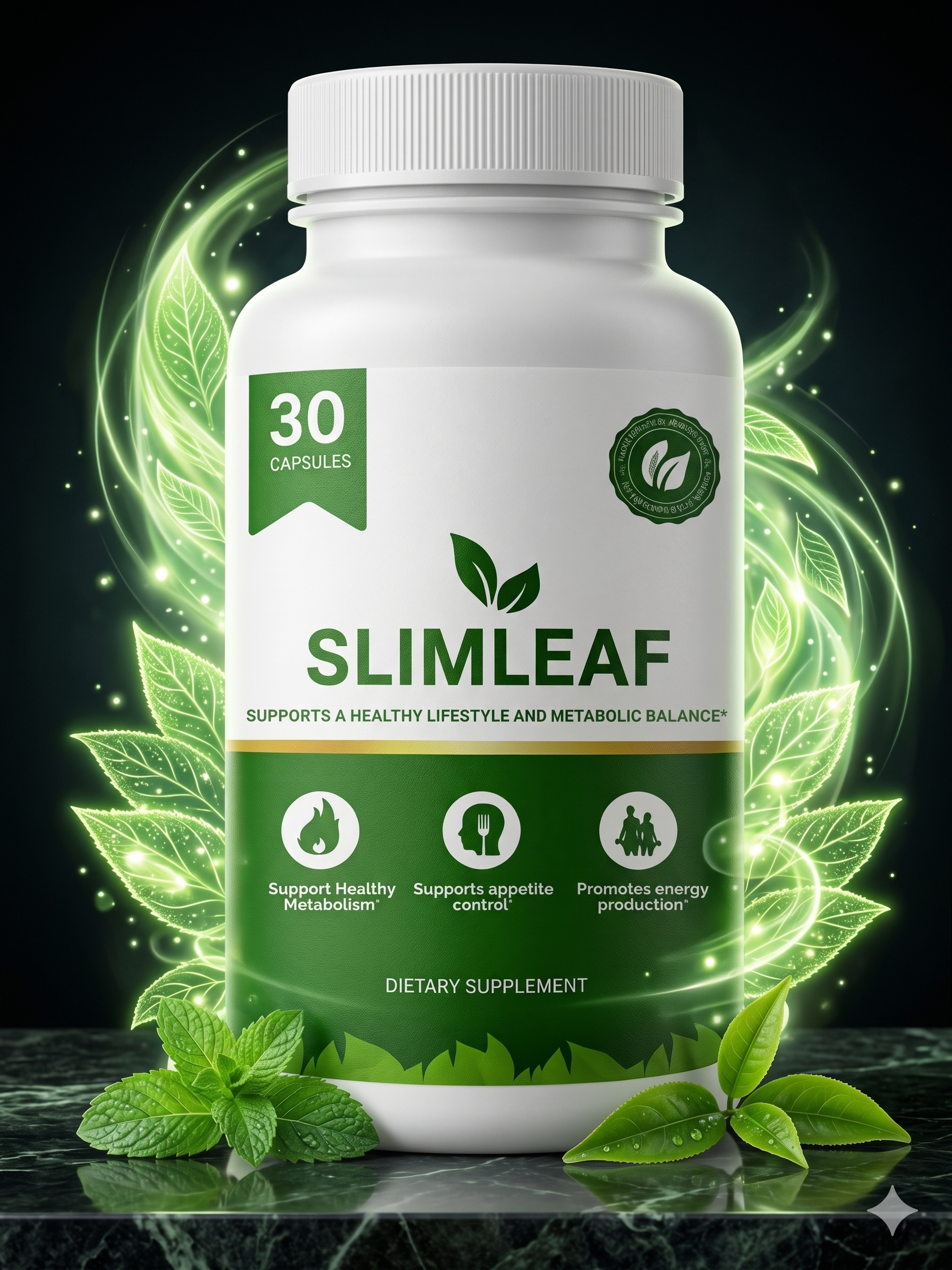
Slim Leaf - healthy lifestyle and metabolic dietary supplement
Three signs your gut may need attention
Not everyone needs a supplement. But if more than one of these sounds familiar, it might be worth giving your microbiome some thought:
Bloating that gets worse through the day, especially after meals you used to digest easily.
Afternoon energy slumps that caffeine doesn't fix — a possible sign your body isn't extracting energy efficiently from what you eat.
"Irregularity" that comes and goes in waves rather than staying consistent. Healthy digestion is boringly predictable.
If you check more than one box, simple changes — more fiber-rich vegetables, fewer ultra-processed foods, better sleep, and yes, a quality synbiotic — can meaningfully shift how you feel within a few weeks.
How I'd start if I were doing this over
If I could rewind a year and start fresh, here's what I'd do:
Stop fighting symptoms with elimination diets and start supporting the system underneath.
Pick one daily habit that's small enough to actually stick with — not a 12-step protocol.
Give it 60 to 90 days, which is the timeline the research keeps pointing to for microbiome shifts.
Pay attention to subtle signs first: less mid-afternoon fog, smaller fluctuations in how you feel after meals, more steady mornings.
→ See What's Inside SlimLeaf
(Includes ingredient breakdown, dosing, and the 60-day guarantee)
A final note on expectations
This post is one person's take, not medical advice. Everybody's microbiome is different. If you're pregnant, nursing, under 18, or managing a medical condition, please talk to your doctor before adding anything new. And if you do try SlimLeaf or any other synbiotic, give it a real run — the research suggests 60 to 90 days for the most noticeable shifts — before deciding whether it's working.
If gut health is a topic you're newly curious about, I'd love to know what's on your mind. The whole point of this site is to share what's helped me and learn from what's helping you.
Affiliate Disclosure: This content contains affiliate links. If you purchase SlimLeaf through these links, I may earn a commission at no additional cost to you. I only recommend products I believe in. As required by the FTC, all affiliate relationships are disclosed.
Medical Disclaimer: These statements have not been evaluated by the Food and Drug Administration. This product is not intended to diagnose, treat, cure, or prevent any disease. Consult your healthcare provider before starting any new supplement, especially if you are pregnant, nursing, under 18, or have a medical condition.
